Double-Payment Alert: Why SSI Recipients Could See Two Deposits Before January 1, 2026

Did you just check your bank account and notice an unexpected payment? Are you wondering why there's extra money sitting in your account? If you receive Supplemental Security Income (SSI), you might see two deposits landing before the new year arrives.
This isn't an error or a mistake. The Social Security Administration follows a strict payment schedule. Sometimes, that schedule creates situations where beneficiaries receive two payments in a single month. Let's break down exactly what's happening and why you shouldn't worry.
Understanding the SSI Payment Schedule

SSI payments typically arrive on the first day of each month. However, there's one important exception to this rule. When the first falls on a weekend or federal holiday, the payment comes early instead.
The Social Security Administration doesn't make you wait. They move the payment to the last business day before the holiday or weekend. This policy ensures beneficiaries have access to their funds when they need them most.
This scheduling quirk is what creates the double-payment situation. It happens several times throughout the year. Recipients need to understand this pattern to manage their finances effectively.
Why Two Payments Are Coming

January 1, 2026 falls on a Thursday. Normally, SSI recipients would receive their January payment on that day. But there's a complication this year.
New Year's Day is a federal holiday. Government offices close, including those that process Social Security payments. Banks also observe this holiday and won't process transactions.
Because of this holiday, the January 2026 payment will arrive early. The Social Security Administration will send it out on December 31, 2025. That's the last business day of 2025.
Here's where the double payment comes in. Recipients will receive their regular December payment on December 1, 2025. Then, they'll get the advanced January payment on December 31, 2025. That means two full payments within the same calendar month.
What This Means for Your Budget

Getting two payments in one month sounds great at first. However, you need to plan carefully. Remember that this early payment is actually your January benefit arriving ahead of schedule.
After receiving the December 31 payment, there won't be another deposit until February 3, 2026. That's because February 1 falls on a Sunday. You'll need to stretch that January payment to cover expenses through early February.
Many recipients make the mistake of treating the early payment as extra money. They might spend more than usual in December. This can create financial hardship when no payment arrives in early January.
Smart budgeting becomes crucial during these double-payment months. Consider setting aside the second payment immediately. Think of it as your January funds, not December bonus money.
How to Prepare Financially

Create a simple plan to manage these two payments effectively. Start by calculating your monthly expenses. Include rent, utilities, groceries, medications, and other essential costs.
When the December 31 payment arrives, resist the urge to spend it right away. Transfer it to a separate account if possible. Label it clearly as your January money. This mental separation helps prevent accidental overspending.
Some beneficiaries use the envelope method for cash management. Divide the early payment into weekly portions. Store each portion in a labeled envelope. This old-school technique still works remarkably well.
Consider paying some January bills early if you can. Rent, insurance, or utility payments might be due in early January. Taking care of them in December eliminates stress later. Just make sure your landlord or service providers credit the payment correctly.
This Isn't a One-Time Event
Double-payment months happen regularly throughout the year. The 2026 calendar includes several instances where SSI payments arrive early. Understanding this pattern helps you plan better year-round.
These advance payments occur whenever the first of the month falls on a weekend or holiday. Veterans Day, Independence Day, and other federal holidays can trigger early payments. Christmas also affects the schedule when it falls on certain days.
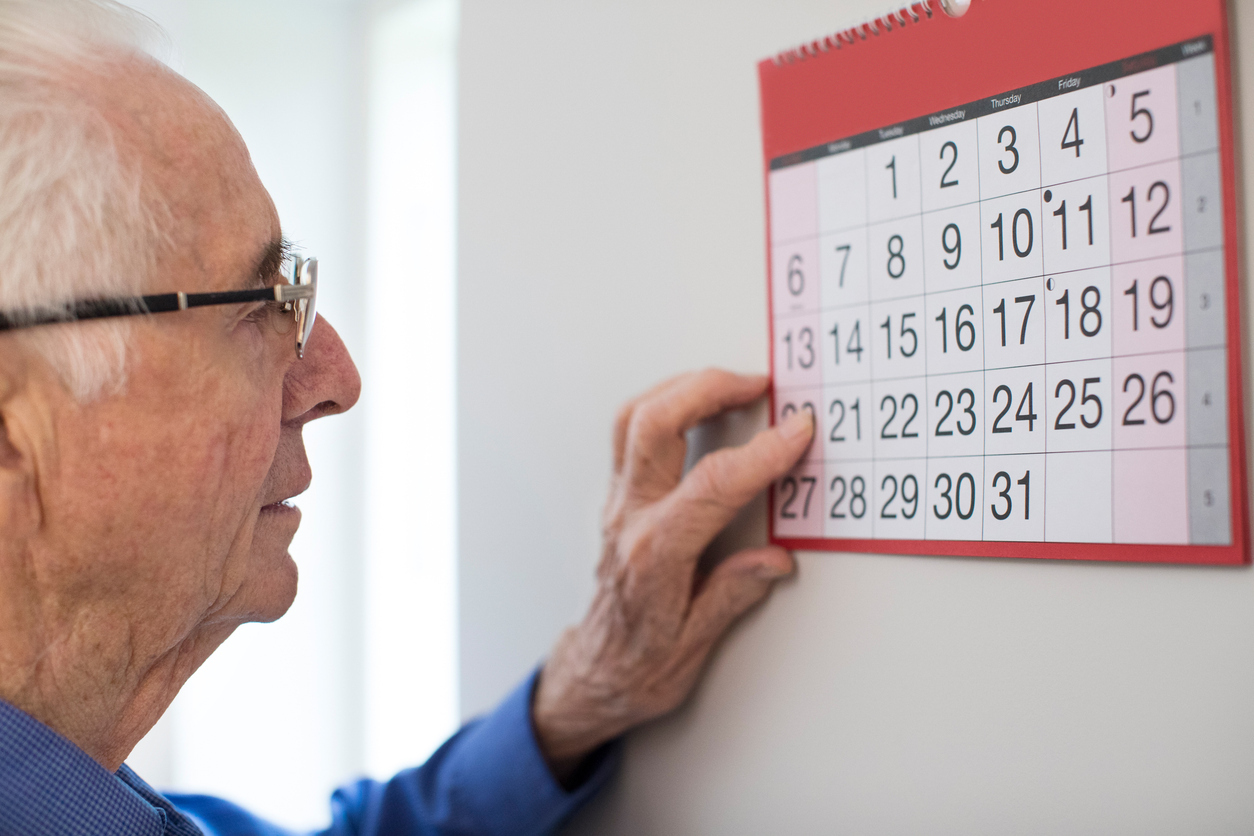
The Social Security Administration publishes a payment calendar each year. This calendar shows exactly when you'll receive your benefits. Download it and mark the dates on your personal calendar. Planning ahead makes managing your finances much easier.
What If You Don't Receive the Payment?

Sometimes technical issues or banking delays can affect when payments appear. Give it a few business days before panicking. Banks occasionally process deposits at different times.
Check your bank account online or call your bank's customer service. Verify whether a pending deposit exists. Sometimes the money is in transit but hasn't posted yet.
If three business days pass without the payment appearing, contact the Social Security Administration. Call their toll-free number at 1-800-772-1213. Representatives are available Monday through Friday from 8:00 AM to 7:00 PM.
You can also visit your local Social Security office in person. Bring identification and any documentation about your benefits. The staff can investigate what happened and help resolve the issue.
Protecting Yourself from Scams

Scammers often take advantage of payment schedule changes. They might call claiming to be from Social Security. These criminals use confusion about double payments to steal personal information.
Remember that Social Security will never call demanding immediate payment. They won't threaten to suspend your benefits unless you pay a fee. They also won't ask for personal information like your Social Security number over the phone.
If someone calls about your SSI payments, hang up immediately. Don't provide any information. Call the official Social Security number yourself to verify any concerns. Never use a phone number the caller provides.
Be especially cautious of emails or text messages about your benefits. Social Security rarely communicates through these channels. Delete suspicious messages without clicking any links.
Looking Ahead to 2026

The double-payment situation in December 2025 is just the beginning. Keep track of all federal holidays throughout 2026. Mark your calendar whenever the first of the month falls on a weekend.
This awareness helps you anticipate early payments and plan accordingly. You'll avoid the shock of seeing unexpected deposits. More importantly, you'll prevent the financial stress of waiting longer between payments.
Consider creating a simple spreadsheet to track your payment dates. Include the actual deposit date and the amount. This record helps you spot any discrepancies quickly.