How Much More Your January 2026 Check Will Be Compared to December’s Deposit

Did you just notice your paycheck amount changing as we move into the new year? You're not imagining things. January 2026 brings several changes that will affect how much money lands in your bank account compared to December's deposit.
Understanding these changes can help you plan your budget better. Some changes will put more money in your pocket. Others might reduce your take-home pay slightly. Let's break down exactly what's happening with your paycheck.
Social Security Tax Cap Increases

The Social Security wage base limit is going up in 2026. This means the maximum amount of earnings subject to Social Security tax will increase. For December 2025, the cap sits at $168,600. However, starting January 2026, this cap rises to $176,100.
What does this mean for your paycheck? If you earn below the cap, you'll continue paying 6.2% of your wages toward Social Security. Your January check won't see any change from this adjustment. But if you're a high earner who already maxed out your Social Security contributions in 2025, you'll start paying again in January.
High earners will see a temporary decrease in their January paychecks. This happens because Social Security withholding resumes at the start of each year. Once you hit the new cap later in 2026, your paychecks will increase again.
Cost of Living Adjustments for Federal Benefits

Social Security recipients are getting a 2.5% cost of living adjustment in January 2026. This increase helps benefits keep pace with inflation. Retirees and disability beneficiaries will notice larger deposits starting with their January payments.
The average retired worker received about $1,927 per month in 2025. With the 2.5% increase, this jumps to approximately $1,976 in January 2026. That's an extra $49 each month. The exact amount varies based on your individual benefit calculation.
Supplemental Security Income recipients also benefit from this adjustment. Their payments increase proportionally. These changes take effect with January 2026 payments.
Medicare Premium Changes

Medicare Part B premiums are also adjusting for 2026. The standard monthly premium decreases slightly from $174.70 in 2025 to $185.00 in 2026. This represents an increase of about $10.30 per month.
For Social Security recipients who have Medicare premiums deducted automatically, this affects net deposits. Your gross Social Security benefit increases by 2.5%. However, the Medicare premium increase reduces some of that gain. The net result is still positive for most beneficiaries.
Higher-income earners pay additional Medicare surcharges called IRMAA. These income-related adjustments also change annually. Your specific Medicare costs depend on your modified adjusted gross income from two years prior.
Tax Bracket Adjustments

The IRS adjusts tax brackets annually for inflation. These changes affect how much federal income tax gets withheld from your paycheck. For 2026, most tax brackets shift upward slightly.
This adjustment generally works in your favor. More of your income falls into lower tax brackets. Your employer's payroll system should automatically update withholding tables in January. This means less tax withheld per paycheck compared to December.
The standard deduction also increases for 2026. Single filers see their standard deduction rise to $15,000. Married couples filing jointly get $30,000. These changes don't affect each paycheck directly. However, they reduce your overall tax liability when you file your return.
State and Local Tax Changes
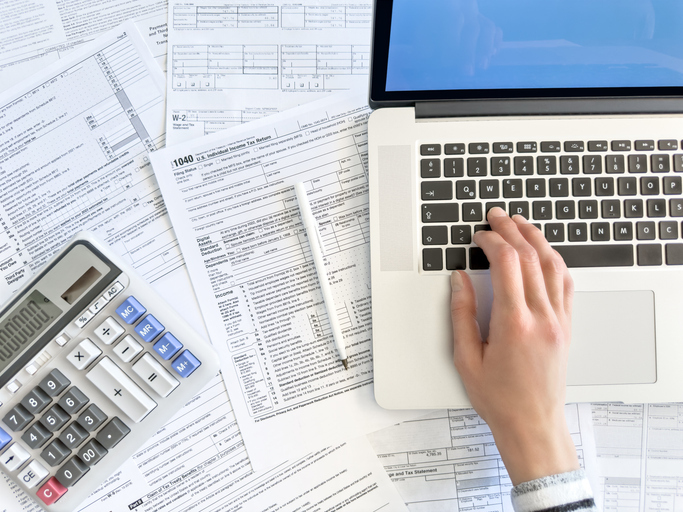
Many states implement tax changes at the beginning of each year. Some states are reducing income tax rates in 2026. Others are adjusting their standard deductions or personal exemptions.
Check your state's department of revenue website for specific changes. Your January paycheck might reflect these adjustments. State tax withholding could increase or decrease depending on where you live.
Local taxes also vary significantly by jurisdiction. Some cities and counties collect their own income taxes. These rates sometimes change annually. Your payroll department should update withholding accordingly.
Retirement Contribution Limit Increases

The IRS raised contribution limits for 401(k) plans and similar retirement accounts. For 2026, you can contribute up to $23,500 to your 401(k). This is up from $23,000 in 2025.
If you contribute a percentage of your salary, your January contribution amount increases automatically. This reduces your take-home pay slightly. However, you're saving more for retirement. The tax benefits make this advantageous for most workers.
Catch-up contributions for workers aged 50 and older also increase. The additional amount rises to $7,500 in 2026. Workers aged 60 to 63 can contribute even more through a special provision.
Health Savings Account Adjustments

HSA contribution limits are going up for 2026. Individuals can contribute up to $4,300. Families can contribute up to $8,550. These represent increases of $150 and $300 respectively from 2025 limits.
If you contribute to an HSA through payroll deductions, your January paycheck might be lower. However, HSA contributions reduce your taxable income. They also grow tax-free and can be withdrawn tax-free for qualified medical expenses.
Flexible Spending Account Changes

FSA contribution limits also increase in 2026. You can now contribute up to $3,300 to a health care FSA. This is up from $3,200 in 2025. Dependent care FSA limits remain at $5,000.
Many people adjust their FSA elections during open enrollment. These new contribution amounts take effect with your first January paycheck. Higher contributions mean less take-home pay. But you're setting aside pre-tax dollars for eligible expenses.
Comparing Your December and January Checks

Your actual paycheck difference depends on multiple factors. These include your income level, tax filing status, and benefit elections. Most workers will see modest changes either way.
To calculate your specific difference, compare your December pay stub with January's. Look at each line item individually. Note changes in federal withholding, state taxes, and benefit deductions.
Social Security recipients generally see increases in January. Working individuals might see slight decreases if they increased retirement or FSA contributions. High earners resuming Social Security tax payments will notice larger decreases.
Planning for These Changes

Understanding these adjustments helps you budget effectively. Review your January pay stub carefully. Make sure all withholdings and deductions appear correct.
Consider adjusting your W-4 if needed. The IRS withholding calculator can help you optimize your tax withholding. This ensures you're not overpaying or underpaying throughout the year.
If your take-home pay decreases, look for areas to trim expenses. Remember that increased retirement contributions benefit your long-term financial security. Higher FSA contributions also provide tax savings.