Saving Money in 2026: Practical Ways to Keep More of What You Earn

Saving money doesn’t have to mean living on ramen or saying “no” to everything fun. For most people, the fastest progress comes from a few smart defaults: spending with intention, reducing high-leak categories, and automating the boring stuff so you don’t rely on willpower.
If you’ve tried to “budget harder” and it never sticks, you’re not alone. The goal isn’t perfection. The goal is a system that quietly improves your bank balance even on busy weeks, without making your life feel smaller.
What “Saving Money” Really Means

Saving is simply the gap between what you bring in and what goes out—but the important part is that the gap is intentional. It’s money you keep on purpose, not what happens to be left over right before payday.
A common misconception is that saving requires a huge income or extreme discipline. In reality, most wins come from repeatable habits that remove friction: auto-transfers, fewer surprise bills, and spending choices that align with your priorities.
Why Most People Don’t Save as Much as They Want

Most budgets fail because they start with restrictions instead of reality. If your plan assumes you’ll suddenly stop ordering takeout, never forget a bill, and always shop perfectly, it will collapse the first time life gets stressful.
Saving works better when you design around real behavior. That means keeping convenience where it matters, cutting ruthlessly where it doesn’t, and setting up guardrails that make “the good choice” the easy choice.
Start With a “Leak Check,” Not a Full Budget
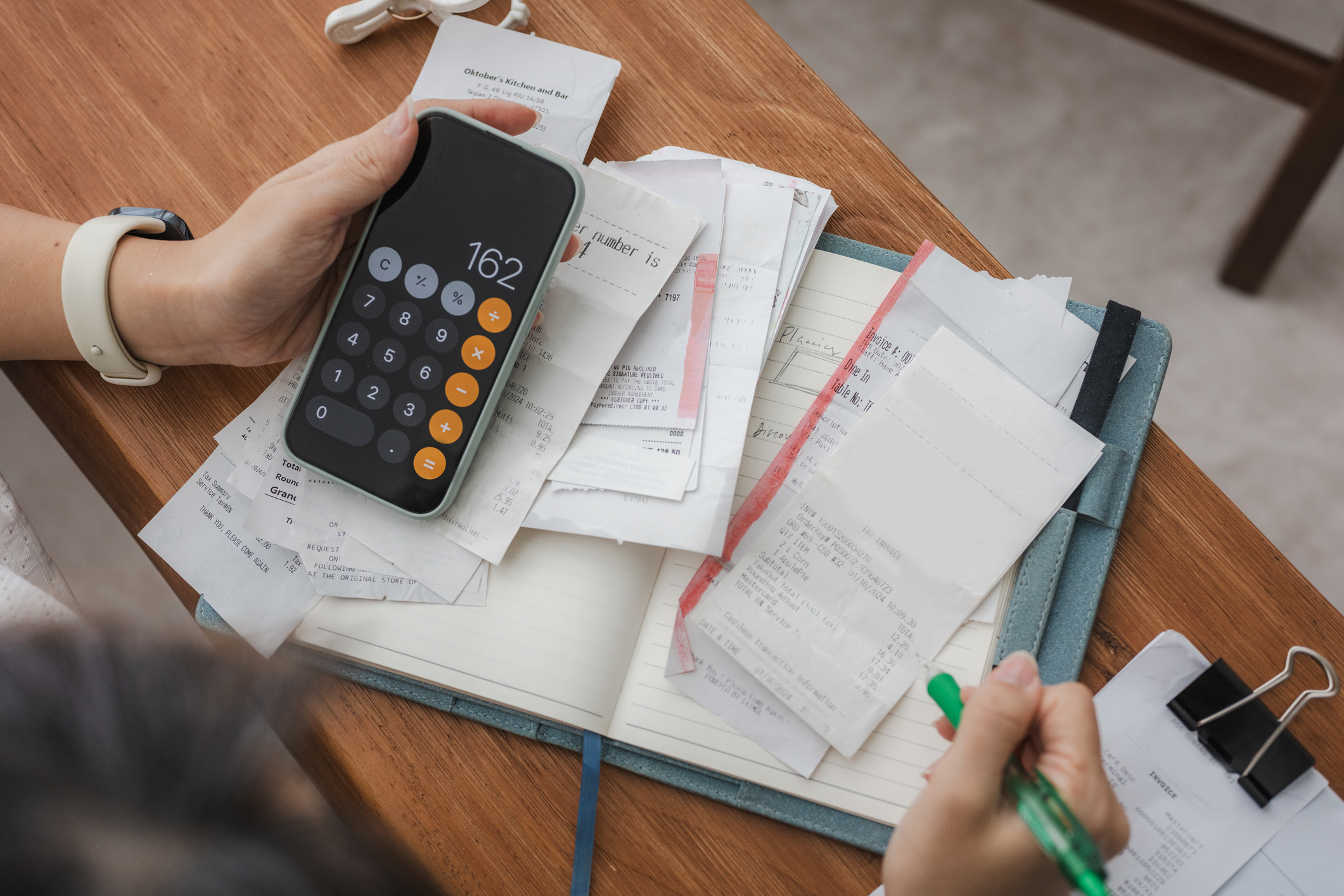
Before you track every dollar, identify the few categories that quietly drain the most cash. For many households, it’s some combination of food delivery, unused subscriptions, impulse shopping, and high-interest debt.
When you plug just one or two leaks, you usually free up enough money to feel momentum. Momentum matters because it makes the rest of the changes easier and less emotionally taxing.
Make Saving Automatic So You Don’t Have to Think About It

If saving depends on remembering, it will be inconsistent. A simple fix is to automate a transfer right after payday—even if it’s small—so saving happens before spending decisions begin.
Automation turns saving into a default instead of a daily battle. When you don’t see the money sitting in your checking account, you don’t mentally “spend” it.
Build a “Small Start” Habit That Scales

Many people wait until they can save a big amount, then save nothing in the meantime. A better approach is to start tiny and prove consistency first. Even small transfers build the identity of being someone who saves.
Once the habit is stable, you scale it. The most effective saving plans are rarely dramatic—they’re quiet, consistent, and upgraded over time as your confidence grows.
Lower Your Biggest Bills Before You Cut Your Lifestyle

If you want results without feeling deprived, focus on high-impact categories: insurance, interest rates, rent or mortgage terms, and recurring services. Small percentage changes here can beat months of cutting coffee and still feel painless.
Negotiating, shopping rates, and eliminating fees aren’t glamorous, but they permanently reduce your baseline expenses. That’s the kind of saving you only have to do once.
Use “Rules,” Not Constant Decisions

Decision fatigue is expensive. Creating a few simple rules can cut spending without daily math. For example, you might decide that non-essential purchases wait 48 hours, or that you only eat out on specific days.
Rules reduce the number of times you need to “be strong.” The fewer decisions you have to make, the more consistent your savings become.
Separate “Spending Money” From “Real Money”

One of the easiest psychology hacks is keeping your bills and savings protected from your everyday spending. When everything sits in one account, it’s too easy to misjudge what’s truly available.
A clean setup often includes a bills account, a savings account, and a spending account. The goal is clarity—so you don’t accidentally spend money that already has a job.
The Bottom Line: Save With Systems, Not Stress

The best saving plan is the one you can follow when you’re tired, busy, or distracted. If it requires perfect discipline, it won’t survive real life.
Start with one leak, one automation, and one simple rule. Stack small wins until saving becomes normal—and then watch how quickly “extra money” stops feeling like luck and starts feeling like design.