Homeowners Insurance Rates Rise for a Reason But You Still Have Options

A big driver of premium increases is simply higher replacement costs. Materials and labor are more expensive than they were a few years ago, which means insurers pay more when homes are damaged. In many regions, severe weather is also more frequent or more intense, creating a larger number of claims. When insurers see higher risk and higher repair costs, premiums rise, and underwriting becomes stricter.
The smartest savings usually come from reducing risk, not just hunting for a cheaper company.

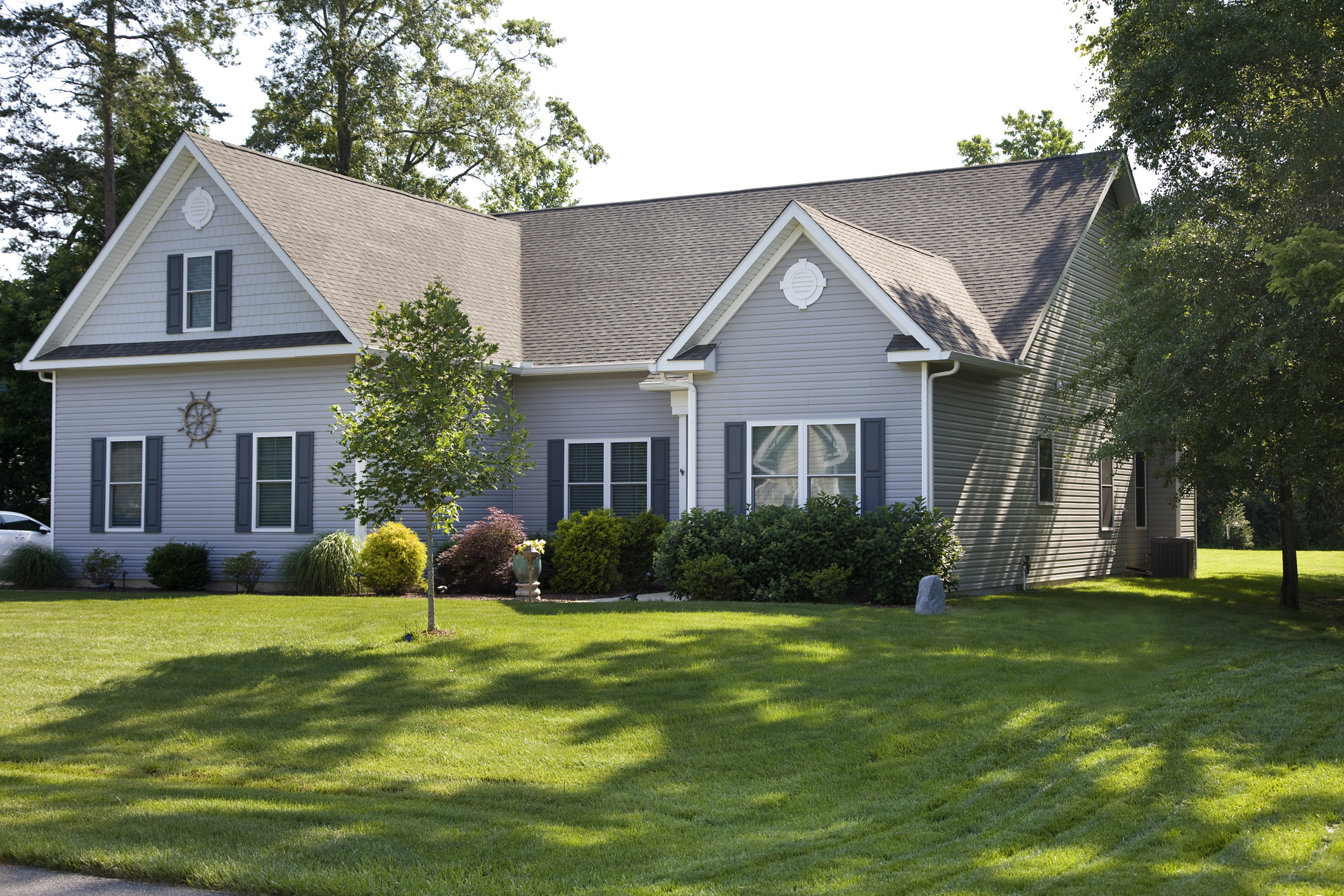
Shopping around helps, but many insurers price based on similar risk signals: roof condition, claims history, home age, location, and mitigation features. That’s why certain home upgrades can matter beyond comfort—they can affect how insurers view your property. Features like impact-resistant roofing, storm shutters, updated plumbing and electrical, or monitored security systems can sometimes reduce risk in the insurer’s eyes, which can translate into better pricing or better eligibility.
Your deductible and your coverage details often make a bigger difference than people expect.
Many homeowners pay for coverage they don’t fully understand. One policy might look cheaper because it covers less, has a higher deductible, or changes how roof payouts are calculated. Another might include endorsements that meaningfully protect you during a real disaster. Saving money only feels good if the policy still does its job when you actually need it. The most useful mindset is to ask whether the policy would realistically allow you to recover after a major event without draining your savings.
The uplifting part is that small improvements can create long-term stability.

Home insurance is ultimately about resilience. When your home is maintained, your roof is in good shape, and your policy is aligned with your real rebuilding costs, the insurance relationship becomes smoother. Instead of worrying about cancellations, gaps, or surprise denials, you create a setup that supports you through storms—literally and financially.