The Insurance Coverage Many Drivers Don’t Understand Until It’s Too Late

People commonly assume that if they have car insurance, they’re protected from anything that happens on the road. But policies are made up of different coverages, and each coverage handles a different type of cost. Some cover damage you cause to others, some cover damage to your own car, and some cover injuries. If you don’t understand which parts you have, you can be insured and still face a painful financial surprise.
The biggest confusion is usually around liability versus damage to your own vehicle.
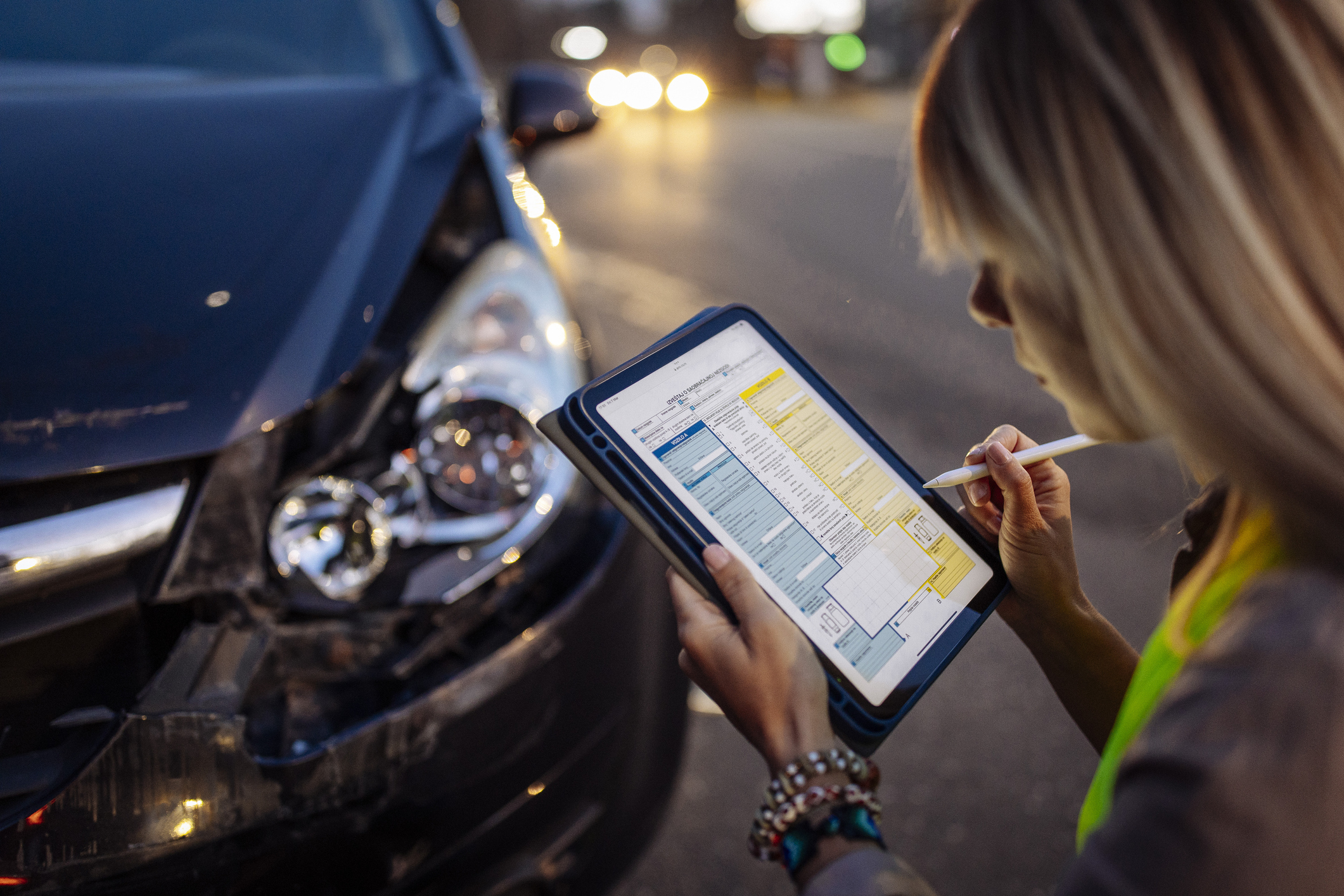
Liability coverage helps pay for injuries or property damage you cause to someone else. It doesn’t automatically pay to fix your car. That’s where collision and comprehensive come in, and those are often optional depending on your vehicle and your state. Many older Americans who drive less assume they can trim coverage safely, but if you cut the wrong pieces, one accident can become a large out-of-pocket expense.
Uninsured and underinsured drivers are a real risk in many areas.
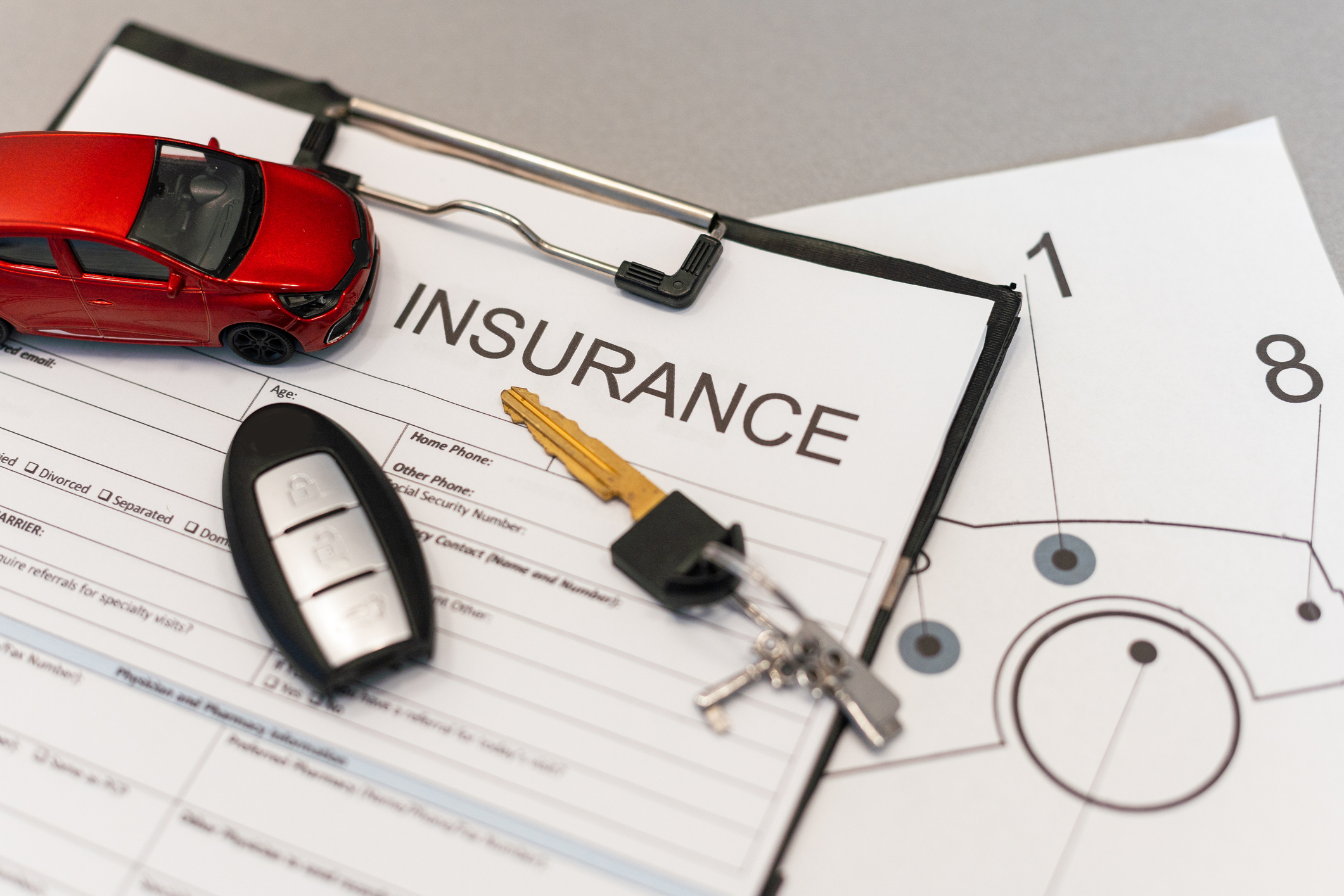
Even if you do everything right, an accident can involve someone with minimal coverage. In that situation, the question becomes whether your policy protects you when the other person can’t pay. This is one of those coverages people don’t think about until they need it—because it’s designed for the scenario where the system fails.
The reassuring part is that you don’t need to be an expert—you just need to know what problem each coverage solves.
Insurance becomes much less intimidating when you stop thinking in jargon and start thinking in real situations: “If I hit someone, who pays?” “If someone hits me, who pays?” “If my car is stolen, who pays?” “If someone is hurt, who pays medical bills?” Once you map coverage to real outcomes, you can build a policy that actually protects your finances instead of just meeting minimum requirements.